
Neck pain and tension headaches are common concerns among professionals who spend long hours sitting, teaching, or working at a desk. These conditions often develop gradually and can significantly impact concentration, mood, energy levels, and overall quality of life if left unaddressed.
Rather than relying on temporary relief, addressing the root cause of neck pain and tension headaches is essential for long-term improvement.
Understanding Neck Pain and Tension Headaches
Prolonged sitting, poor posture, and repetitive movements can place excessive strain on the muscles of the neck and upper shoulders. Over time, this muscle tightness may compress nerves and restrict blood flow, triggering recurring tension headaches.
Ignoring early symptoms can allow discomfort to worsen, potentially leading to:
- Chronic neck pain
- Increased headache frequency
- Reduced focus and productivity
- Disrupted sleep and daily activities
Neck pain is particularly common in women and may present with a range of symptoms, including:
- Persistent aching, burning, or stabbing pain
- Pain radiating from the neck into the shoulders or arms
- Headaches originating from the neck
- Numbness or tingling in the shoulders or arms
Types and Symptoms of Tension Headaches
Tension headaches are the most common type of headache and may occur with varying frequency:
- Infrequent episodic: One headache per month or less
- Frequent episodic: One to fourteen headaches per month for at least three months
- Chronic: Fifteen or more headaches per month for at least three months
Common symptoms include:
- Constant mild to moderate pressure or pain
- A squeezing or tight band sensation around the head
- Tight or aching neck and shoulder muscles
- Sensitivity to light and sound
Symptoms may last from 30 minutes to several days and are often triggered by factors such asprolonged screen use, poor posture, eye strain, inadequate sleep, stress, anxiety, or depression.
Osteopathic Care: Restoring Alignment and Mobility
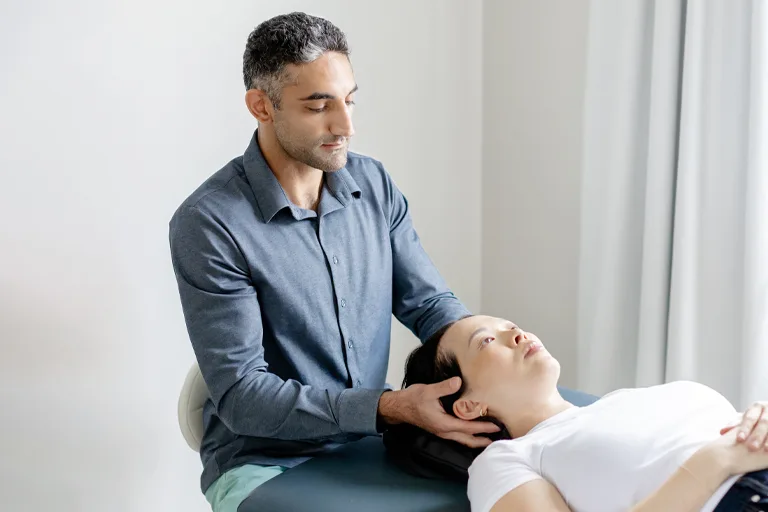
Osteopathic care focuses on restoring balance and mobility throughout the entire body, not just the spine. Using gentle, hands-on techniques, osteopathic treatment can help:
- Reduce muscle tension and fascial restriction
- Improve joint mobility and range of motion
- Support healthy nerve and circulatory function
- Enhance posture and overall body alignment
Osteopathic practitioners also provide guidance on movement patterns, posture, and daily habits — including workstation setup and body mechanics — to help prevent recurring strain and support long-term musculoskeletal health.
Physiotherapy: Strengthening and Preventing Recurrence
Physiotherapy plays a key role in both the treatment and prevention of neck pain and tension headaches. A personalized physiotherapy program may include:
- Strengthening exercises to support posture
- Targeted stretches to release muscle tension
- Mobility exercises to improve neck and shoulder movement
- Education on safe movement and activity modification
These strategies help reduce headache triggers and support long-term neck health.
A Holistic Approach to Managing Tension Headaches
Effective management goes beyond physical treatment. Lifestyle factors are equally important and may include:
- Maintaining good posture throughout the day
- Staying adequately hydrated
- Eating balanced, nutrient-rich meals
- Practicing stress-management techniques such as mindfulness or gentle relaxation
- Prioritising quality sleep
Together, these habits support muscle health, reduce stress, and lower headache frequency.
Take Charge of Your Neck Health
Neck pain and tension headaches do not have to be a normal part of a busy professional life. Early intervention, combined with osteopathic care, physiotherapy, and mindful daily habits, can restore comfort, improve posture, and reduce headache frequency.
If you are experiencing persistent neck pain or tension headaches, taking action early can make a meaningful difference. Start your journey toward a healthier neck and headache-free days with comprehensive care designed to support long-term wellbeing.
References
https://www.mayoclinic.org/diseases-conditions/neck-pain/symptoms-causes/syc-20375581
https://www.healthdirect.gov.au/neck-pain
https://www.health.harvard.edu/pain/6-ways-to-ease-neck-pain
https://www.mountsinai.org/health-library/diseases-conditions/tension-headache
https://my.clevelandclinic.org/health/diseases/8257-tension-headaches
https://www.hopkinsmedicine.org/health/conditions-and-diseases/headache/tension-headaches